
Dental implant surgery in general will need time to heal and settle because when a dental implant is fitted into your jawbone, it needs time to place itself properly. Swelling near the area is common after the implant procedure and will need a few days to reduce.
You may also notice some minor bleeding; this is also normal. Your dentist at Deeragun Dental will give you personalised information about your surgery and recovery during your dental appointment.
For optimal healing and restoration of your beautiful new smile, it’s important to listen to the advice given by your dentist in Townsville.
One of the key recommendations about making sure your dental implant has time to heal is about the foods you eat after dental implants. For the first few weeks after the dental implant has been fitted, it’s important to have a soft dental diet.
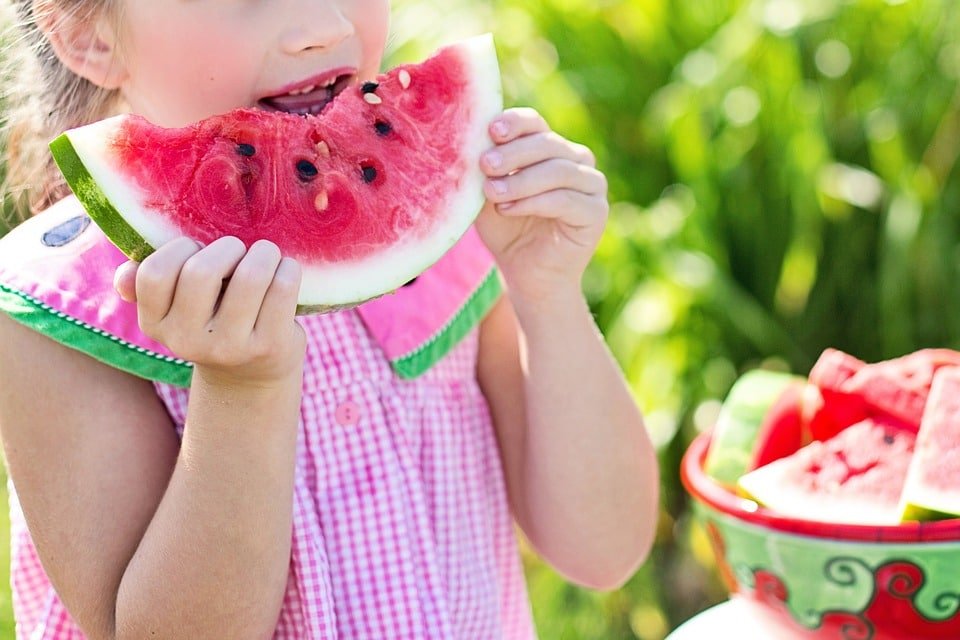
Why Soft Foods Matter After Dental Surgery?
Every mouth heals a little differently, but giving your gums and jaw a break from chewing is one of the simplest ways to support a smoother recovery.
Here’s why sticking to soft foods can make such a difference:
- Protects the surgical site: Soft foods reduce the risk of food particles or pressure disturbing the implant while it heals.
- Minimises pain and discomfort: Foods that require little to no chewing put less strain on tender gums and jaw muscles.
- Reduces swelling and irritation: Soft foods help keep inflammation down around the treated area.
- Supports proper healing: Avoiding excess chewing helps the implant stay stable as it begins to fuse with the jawbone.
- Lowers infection risk: Easy-to-clear foods are less likely to get trapped near the surgical site, where bacteria could cause complications.
- Maintains nutrition during recovery: A soft-food diet still allows you to get essential vitamins, minerals and protein to support the body’s healing process.
50 Recommended Soft Foods to Eat After Dental Implant Surgery
Here’s a list of 50 soft foods to enjoy after dental implant surgery:
Smooth and Blended Foods
- Mashed potatoes (skin removed): A filling classic that requires no chewing at all.
- Mashed sweet potato: Naturally creamy and packed with vitamin A to support healing.
- Pureed butternut squash: Silky in texture and easy to eat warm or at room temperature.
- Blended vegetable soup (strained if needed): A cosy way to get several vegetables in one soft, spoonable meal.
- Pureed carrots: Mild and slightly sweet, this blends smoothly with almost no effort.
- Applesauce (unsweetened): A soft, low-sugar snack that’s kind to a healing mouth.
- Mashed avocado: Naturally soft and rich in healthy fats, no cooking required.
- Hummus: Smooth and protein-rich, great on its own with a spoon.
- Pureed pumpkin: Comforting, mildly sweet and easy to swallow.
- Blended cauliflower mash: A lower-carb alternative to mashed potato with the same soft texture.
Dairy-Free Creamy Options
- Coconut yogurt: A creamy, dairy-free option that’s just as soothing straight from the container.
- Soy yogurt: A protein-rich alternative that’s smooth and easy to eat.
- Silken tofu pudding (blended with cocoa or vanilla): A soft, protein-packed dessert with no dairy at all.
- Oat milk rice pudding: A comforting, dairy-free take on a classic soft dessert.
- Coconut milk custard: Sweet and smooth on the tongue.
- Coconut cream chia pudding: Thick, spoonable and easy to prepare ahead of time.
- Mashed banana with almond butter: A naturally soft, creamy combination with no dairy.
- Blended white bean puree: A savoury, spreadable option in place of cheese-based spreads.
- Egg-free salad with vegan mayo: A smooth, easy-to-eat option for anyone avoiding both dairy and eggs.
- Coconut cream soup base: Adds richness and calories to blended vegetable soups without dairy.
Protein-Rich Soft Foods
- Scrambled eggs: Soft to make and an easy source of protein.
- Soft tofu or silken tofu: Practically melts in the mouth and takes on any flavour you add.
- Egg salad (finely mashed): A creamy, protein-packed option that needs minimal chewing.
- Well-cooked, shredded chicken in broth: Tender enough to fall apart, especially when simmered in liquid.
- Flaked, soft-cooked fish (e.g., poached salmon): Naturally soft and rich in omega-3s.
- Refried beans: Smooth, savoury and easy to eat warm.
- Lentil dahl: A soft, spiced option that’s both filling and nutrient-dense.
- Soft meatloaf (well-moistened): A heartier choice as long as it’s kept moist and tender.
- Tuna salad, finely mashed: A protein-rich option that’s easy to eat with a spoon.
- Protein shakes or meal-replacement drinks: A convenient way to get nutrients in without any chewing.
Grains and Starches
- Soft-cooked oatmeal or porridge: A warm, filling breakfast that’s naturally suitable on the mouth.
- Cream of wheat: Smooth and easy to swallow, especially with a little milk stirred in.
- Well-cooked, soft pasta with sauce: Cook it a little longer than usual so it’s extra tender.
- Rice pudding: Sweet, creamy and simple to prepare in advance.
- Soft-cooked polenta: A smooth, comforting base that pairs well with soft sauces.
- Congee (rice porridge): A savoury, soothing rice dish that’s easy on a healing mouth.
- Soft, moist quinoa (well-cooked and slightly overdone): A nutrient-dense grain option when cooked until very tender.
- Mashed plantain: A naturally sweet, soft side dish.
- Soft bread soaked in soup or broth (once healing allows): Softened bread is far softer than a firm crust.
- Grits: Creamy and mild, easy to flavour however you like.
Fruits (Soft or Blended)
- Ripe banana, mashed: Naturally soft, sweet and ready to eat with no preparation.
- Ripe pear, peeled and mashed: Soft once it’s fully ripe and peeled.
- Stewed or poached fruit (e.g., peaches, apples): Cooking softens the fruit further and makes it easy to mash.
- Fruit smoothies (no seeds, strained if needed): A refreshing way to combine several fruits at once.
- Ripe mango, pureed: Naturally smooth and sweet when blended.
- Watermelon, finely mashed (seedless): Hydrating and soft, especially in warmer months.
- Chia seed pudding made with soft, blended fruit: A soft, nutrient-rich option that can be made ahead of time.
Soups, Broths and Drinks
- Bone broth: Warm, nourishing and completely liquid.
- Cream-based soups (e.g., cream of mushroom, blended pumpkin soup): Smooth and hearty enough to feel like a full meal.
- Smooth vegetable juice or nutrient-dense smoothie: An easy way to fit in extra vitamins without chewing.
Why No Dairy After Dental Implants?
You might be surprised to see dairy left off this list, given how often yogurt and mashed cheese are recommended after dental work. Some dentists prefer patients steer clear of dairy in the days following implant surgery, as it may contribute to inflammation.
Dairy can also sit heavily for some people and has been linked to nausea in sensitive individuals. This matters more than usual after implant surgery, because vomiting places sudden pressure on the surgical site and can introduce extra acidity into the mouth.
Get in Touch with Deeragun Dental, Townsville QLD
Our dental team at Deeragun Dental has a strong sense of loyalty and commitment, both to each other and to our patients. We offer reliable dental services and take pride in the fact that every person who visits our practice is treated with respect.
If you need a dental implant in Townsville, our caring dentists will take care of all of your dental needs with our professional and compassionate dentistry. We offer payment plans, including Zippay and national dental plans, allowing you to get the dental treatments you need now and pay for them later.
We offer services to patients from Deeragun and surrounding suburbs. To find out more about how we can help you with your dental needs, book an appointment today or call us at 07 4751 5999.
Frequently Asked Questions
How long should I eat soft foods after dental implant surgery?
Most people are advised to stick to soft foods for at least the first week after surgery. Your family dental clinic in Townsville will let you know when it’s suitable to start gradually reintroducing firmer textures.
Can I eat rice after dental implant surgery?
Yes, well-cooked, soft rice or congee is generally considered a suitable option, as it requires minimal chewing and is easy to swallow. Just be sure it’s cooked until very soft.
Is ice cream good after dental implant surgery?
While ice cream is cold and soft, it’s a dairy product, which some dentists recommend avoiding in the early healing period. A dairy-free frozen treat, such as a blended fruit sorbet, can be a better alternative if you’re after something cold.
When can I eat normally again?
This varies from person to person, but many patients are able to gradually return to their normal diet within a few weeks. Your dentist will guide you on when it’s appropriate to reintroduce harder or chewier foods.
Can I chew on the implant side?
It’s generally best to avoid chewing directly on the implant side while it heals, to reduce pressure on the surgical site. Chewing on the opposite side of the mouth can help protect the area as it recovers.
What foods help dental implants heal faster?
There’s no single food that speeds up healing, but a balanced diet with adequate protein, vitamin C and vitamin D can support the body’s natural healing process. Staying hydrated and avoiding foods that irritate the surgical site are just as important as what you do eat.